
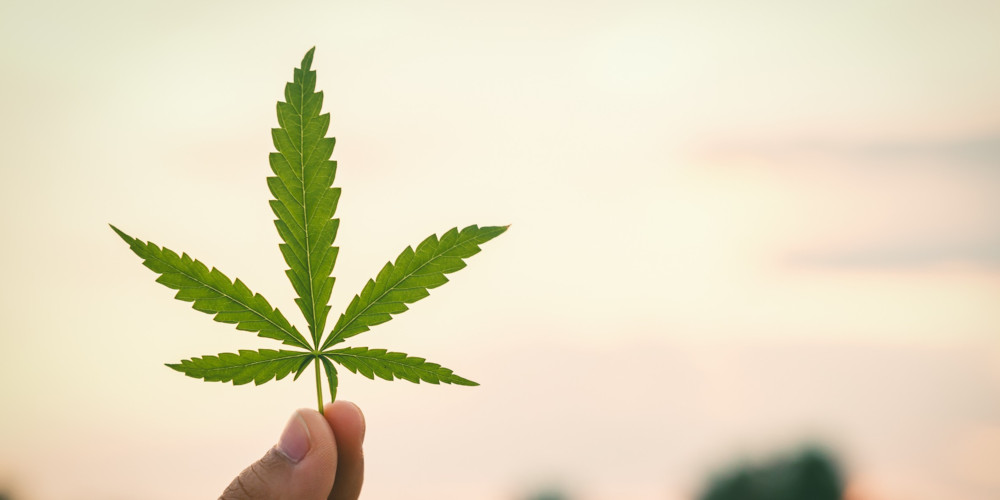
Cannabis has become the most underestimated drug on the planet. People treat it like it’s harmless, natural, organic, spiritual, medicinal, or even healthy. Society has rebranded weed into something soft, gentle and wholesome, a plant with good vibes and no consequences. “It’s just weed,” people say, dismissing any concerns before the conversation even begins. They speak about it with a confidence they never earned, as if a substance becomes safe simply because enough people believe it is.
But cannabis today is not the same plant people smoked decades ago. It is far stronger, far more potent, far more psychologically gripping, and far more capable of reshaping the mind. What was once a mild, mellow substance has evolved into something powerful enough to cause dependency, emotional withdrawal, paranoia, cognitive decline, and serious mental health problems, especially in people with underlying anxiety, depression or trauma.
This article isn’t here to vilify weed. It’s here to remove the illusion that it’s harmless. Cannabis doesn’t ruin everyone’s life, but for the people it harms, the damage is real, deep, and often invisible until it has already settled in. And families deserve to know the truth: weed can become an anchor that drags a person into emotional stillness, mental fog, and a cycle of dependence that is easy to dismiss until it becomes impossible to escape.
The Rebranding of Cannabis
Cannabis went from being a symbol of rebellion to a symbol of relaxation. What once belonged to the fringes has become mainstream, marketed as a solution for stress, anxiety, creativity, appetite, sleep, and emotional overwhelm. People talk about it as if it’s a hobby rather than a substance. Weed culture has turned into memes, merchandise, aesthetic Instagram posts, spiritual language, and lifestyle branding.
The marketing has worked too well. People treat weed like it cannot possibly be harmful. They say it’s “safer than alcohol,” “not addictive,” “better than prescription meds,” “just a plant,” or “no big deal.” This is how denial first takes root.
People assume that if something is socially accepted, then it must be safe.
People assume that because weed doesn’t cause dramatic destruction like meth or heroin, it must be benign.
People assume that because it’s legal in many places, it must be harmless.
None of these assumptions are based on science. They’re based on comfort. Weed culture has created the perfect environment for addiction to hide in plain sight.
The Modern Weed Problem
The cannabis people use today is not the cannabis their parents smoked. THC levels have skyrocketed. Concentrates, oils, waxes, vapes, edibles, and high-potency strains flood the market. Some products contain THC levels multiple times higher than anything seen in traditional plant form.
But because weed carries a “chilled” reputation, users don’t realise how quickly tolerance builds. They start with a small amount and end up needing stronger strains, more frequent use, or potent concentrates to achieve the same effect. This escalation feels subtle, but the brain is adapting at lightning speed. This is how dependency begins, not with chaos, but with routine.
Weed as an Escape From Being Human
Weed doesn’t just create a high. It creates relief. It softens anxiety, dulls thoughts, smooths the edges of stress, and turns down the emotional volume. It becomes a coping mechanism that feels gentle compared to alcohol or harder drugs. People start using weed not to get high, but to avoid discomfort. This is emotional dependency. It’s the quiet addiction.
People don’t say, “I need weed to survive.”
They say, “I’m just stressed.”
“I’m just unwinding.”
“I’m just trying to sleep.”
“I’m just relaxing.”
Weed becomes the emotional pause button. It becomes the easiest way to escape the noise of life. And once the brain learns that weed provides relief, it begins asking for it more often. This is how daily use forms, not through compulsion, but convenience.
The Slow Drain
Families often describe the same pattern: their loved one becomes slower, quieter, less motivated, less engaged. They start procrastinating. They lose ambition. They drift. Weed users rarely notice this because it doesn’t feel like collapse. It feels like calm. But there’s a difference between peace and apathy.
Cannabis creates a numbing effect that makes everything feel “fine” even when it isn’t. Responsibilities feel less urgent. Goals feel less ambitious. Conversations feel less intense. Life feels less demanding. The internal world slows down, but so does progress.
People smoke to take the edge off stress, but they also lose the spark that drives them forward. They start floating instead of living. They become passive observers instead of active participants. Weed doesn’t destroy ambition in a dramatic way. It gently dissolves it until the person no longer recognises who they intended to be. The user isn’t lazy. They’re numbed.
The Paranoia Nobody Admits Out Loud
One of the most common psychological effects of modern cannabis is paranoia. But users rarely admit it. They laugh it off or blame the strain. They pretend it was a one-time thing. But internally, they feel the shift.
Thoughts become suspicious.
Social interactions feel tense.
Small worries become mental spirals.
Anxiety increases after the high fades.
Crowds become overwhelming.
Silence becomes uncomfortable.
Self-consciousness intensifies.
People assume weed should calm them, so they ignore signs that it’s destabilising them. They believe something is wrong with them, not the substance. So they smoke more, hoping it will calm the anxiety that weed itself created. This cycle becomes a trap: using weed to escape anxiety that weed caused.
Families see the change before the user does. The person becomes withdrawn, nervous, avoidant, overly introspective, or emotionally fragile. They lose confidence in social settings. They misinterpret situations. They fear judgment or criticism. Weed doesn’t soothe them anymore. It isolates them.
The Memory and Focus Issues That Sneak Up Slowly
Weed impacts short-term memory and cognitive function in ways people underestimate. Users describe “brain fog,” lapses in memory, difficulty concentrating, inability to follow conversations, and mental fatigue. But because the effects are subtle, they don’t connect the dots. They think they’re just tired. Just stressed. Just unfocused.
Meanwhile, the brain is struggling to process and store information.
The fog becomes constant.
The conversations become blurry.
The tasks feel harder.
The user becomes mentally slower.
This cognitive decline is quiet but devastating. People lose their intellectual sharpness, emotional responsiveness, and sense of mental vitality. They begin feeling disconnected from their own thoughts, unable to think clearly without weed or unable to think clearly because of weed. This is how dependency forms at the cognitive level, the brain forgets how to operate without the substance.
When Weed Quietly Replaces Everything Else
Families often describe the same pattern, their loved one’s life becomes smaller. Fewer hobbies. Fewer ambitions. Fewer outings. Fewer meaningful conversations. Just weed, as the centre of the day, the punctuation of routines, the reward after tasks, the escape from emotions. Weed becomes the default setting.
Users don’t wake up planning their life around weed, it just slowly becomes the most reliable part of their day. It becomes the thing they look forward to, the thing that suits every mood, the thing they depend on to feel okay. But the cost is enormous, Life stops expanding. It stops challenging them. It stops inspiring them. It becomes manageable, but empty.
Weed doesn’t destroy life in loud, cinematic fashion. It does it piece by piece, until the person becomes a quieter version of themselves.
The Denial Wall
Weed addiction comes wrapped in one of the strongest denial narratives in drug culture. People defend it passionately because they don’t want to admit they’re dependent on something they believe is harmless.
They compare themselves to harder drug users.
They joke about being “stoners.”
They deny symptoms.
They dismiss concerns.
They minimise the impact.
They cling to the idea of cannabis being “safe.”
And families feel confused. How do you convince someone that “just weed” is a problem when the entire world tells them it isn’t? That denial becomes a psychological force field, blocking introspection and delaying treatment until the consequences pile up so deeply they can no longer be ignored.
The Withdrawal People Don’t Believe Exists
Many cannabis users insist weed has no withdrawal symptoms. The science, and the experience of millions, says otherwise. When they stop using, they often experience irritability, restlessness, insomnia, anxiety spikes, emotional instability, appetite changes, or vivid dreams. These symptoms aren’t life-threatening, but they are uncomfortable enough to push people right back into using.
The withdrawal isn’t dramatic. It’s emotional. This is why quitting feels impossible for many users. They don’t crave a high. They crave relief from the discomfort their brain now struggles to regulate alone.
Getting the Brain Back, One Layer at a Time
Recovery from cannabis dependency is deeply personal. It requires patience, honesty, self-reflection, and support. The brain needs time to stabilise. The emotions take time to return. The fog takes time to lift. People often discover that the hardest part of stopping weed is not physical withdrawal.
It’s facing life sober.
It’s feeling emotions in real time.
It’s dealing with discomfort without a shortcut.
It’s rebuilding motivation from scratch.
But the transformation is real. People describe feeling mentally clearer. More creative. More present. More alive. More connected. More ambitious. More like themselves. Weed doesn’t destroy identity, but it hides it. Recovery is the process of uncovering it again.
Weed Isn’t Harmless, It’s Just Quiet
Cannabis doesn’t scream like harder drugs. It whispers.
It doesn’t crash into your life. It settles in.
It doesn’t cause chaos. It causes stillness, the kind that keeps you stuck.
Weed is not harmless for everyone. Sometimes it becomes the anchor that stops someone from growing, feeling, connecting, or living fully. Families need to understand that cannabis addiction is real, valid, and deserving of support, because people lost in dependency rarely recognise how far they’ve drifted until they’re already anchored at the bottom.

If you have successfully completed a rehabilitation program and are now transitioning into life beyond…

When “Normal” Chemical Habits Start Acting Like Addiction Most people hear the word addiction and…

As with any medical or psychiatric condition, you’ll need to be assessed to determine whether…